By Ray Cech
HUR-RI-CANE – This name for ferocious storms comes from the indigenous people throughout the Caribbean islands. Over the years, it was spelled and pronounced in at least a half dozen ways. Then the British got it right sometime in the 17th century. And now, we too, pronounce it in the King’s English – hurricane.
It’s about this time of the year that TV newscasters tell us that hurricane season is just around the corner – June 1 – and we should get prepared. Not a bad idea.
So far, we here in Ocala have pretty much dodged the bullet. Over the last four years only Helene, Idalia and Ian touched down in our community with heavy rains and wind. The most impact felt was power outages, but not a lot of major flooding or structural damage.
But just to cover our bases, let’s prepare for the worst. Read on and pick up a few pointers on how to get ready for a possible hurricane.
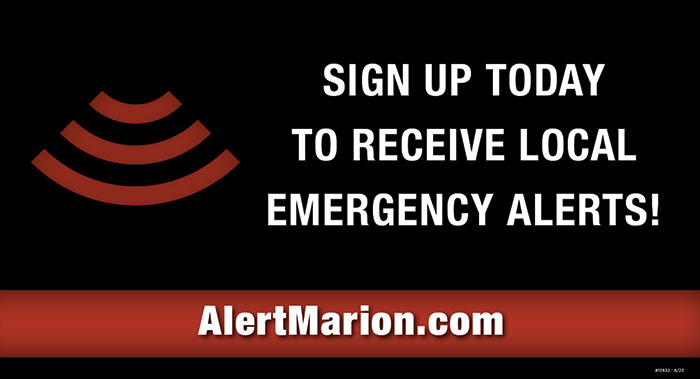
On top of the “must-do” list is signing up for alerts from Marion County. Go to AlertMarion.com and sign up for notifications such as heavy rain storms, tornadoes, hurricanes, flooding possibilities, and general emergencies. You can decide whether you want to be alerted by telephone, text, or email. It’s a good idea to sign up not just for the hurricane season but for all future emergencies, as well. This is a critical step in being prepared – don’t skip it.
This website can also be used for those residents with special needs. Marion County emergency services provide evacuation help, transportation, and many special and medical needs. When an emergency is declared, all of Marion County’s services are made available.
During any emergency, and especially hurricanes, we need to have a plan; a written out plan of what we are going to do before the hurricane actually knocks on our door.
Everyone in the household should have a copy and, of course, be familiar with it. There should also be an open discussion of who will be doing what, and what needs be done during any emergency. If you are ordered to evacuate, something as simple as who is going to drive, what you will take, whether it will go in the trunk or the backseat, and if there’s a pet going with you, where will they be riding? This all sounds simple but under the stress of an emergency, such as a hurricane, it can all get very confusing.
An emergency kit is a vital part of every plan. It should include at least a weeks’ supply of medications (prescription and/or over-the-counter). Include a written statement of your basic health, such as allergies, medications you’re taking and any that you are allergic to, and any hidden devices such as heart monitor or automatic diabetes pump.
Be sure to include phone numbers of one or two personal contacts.
Make copies of your driver’s license, medical ID cards, and insurance documents. This should all be placed in a waterproof bag and kept with you at all times.
Before the storm approaches, it’s really a good idea to jump in your car and fill it up – you know, with that essential stuff called gas.
From there, visit your nearest ATM and make sure you have enough cash on hand, preferably in smaller bills. During power outages and storm-related disruptions, electronic payment systems may be unavailable, making cash especially important for purchasing essential items and services.
Okay, now that your pockets and gas tank are overflowing, how about doing some shopping? The grocery store might be first on your list to pick up some canned goods, bottled water and just about anything that makes sense; food stuff that will last a week. And don’t forget the manual can opener.
Tax-free days are now year-round for hurricane prep items. So, any items such as charcoal, lighter fluid, flashlights, grills, generators, etc., are now tax free. Whether at Publix or your favorite hardware store, check to make sure that the items you want are tax free.
After your shopping spree, walk around the outside of your house and bring anything indoors that looks like it could take flight in a 70-mile-per-hour-plus wind.
While you’re out there, take pictures of every side of the house, including all in-ground plants. And, if there are any overhanging tree branches, make a note to cut them back.
Then, back into the house – using your cell phone again, take photos of every room and their contents. (Hopefully, there won’t be any need to show these pics to your insurance company!)
A few additional reminders: Before the storm comes down in fury, turn your refrigerator to its highest cold setting – with careful monitoring the cold should last about three days. Freeze a couple of dozen bottles of water. Fill the tub with water for washing and flushing. Check to make sure your cell phone adapter works in the car. Also…do you know how to raise the garage door manually?
Last but certainly not least, what about your pet(s)? Whether you have a dog, cat, bird or capybara, they will need special attention. Note that most shelters will not welcome your pet unless you provide a crate or cage for them – get one now! And if it’s a dog, a muzzle may be required in a public shelter. Package up pet food, water, and snacks for a week – remember to ease back on food since you won’t be outside walking them in a hurricane.
Also, heavy rain and thunder will often frighten animals – have their favorite blanket and toy on hand…maybe yours too?
To locate an open shelter, visit marionso.com/emergency-shelters.
Finally, a NOAA, battery-powered radio is a must during any weather emergency. They are online for approximately $35.
If a generator is a must for you, whether whole house or portable, we can only recommend that you do your research and then thoroughly discuss your needs with a qualified generator expert.
For more local hurricane prep information, please visit marionso.com/hurricane-preparedness.